Ben Russell · 20 November 2026
What Drives Repeat Visits to Boutique Web Properties
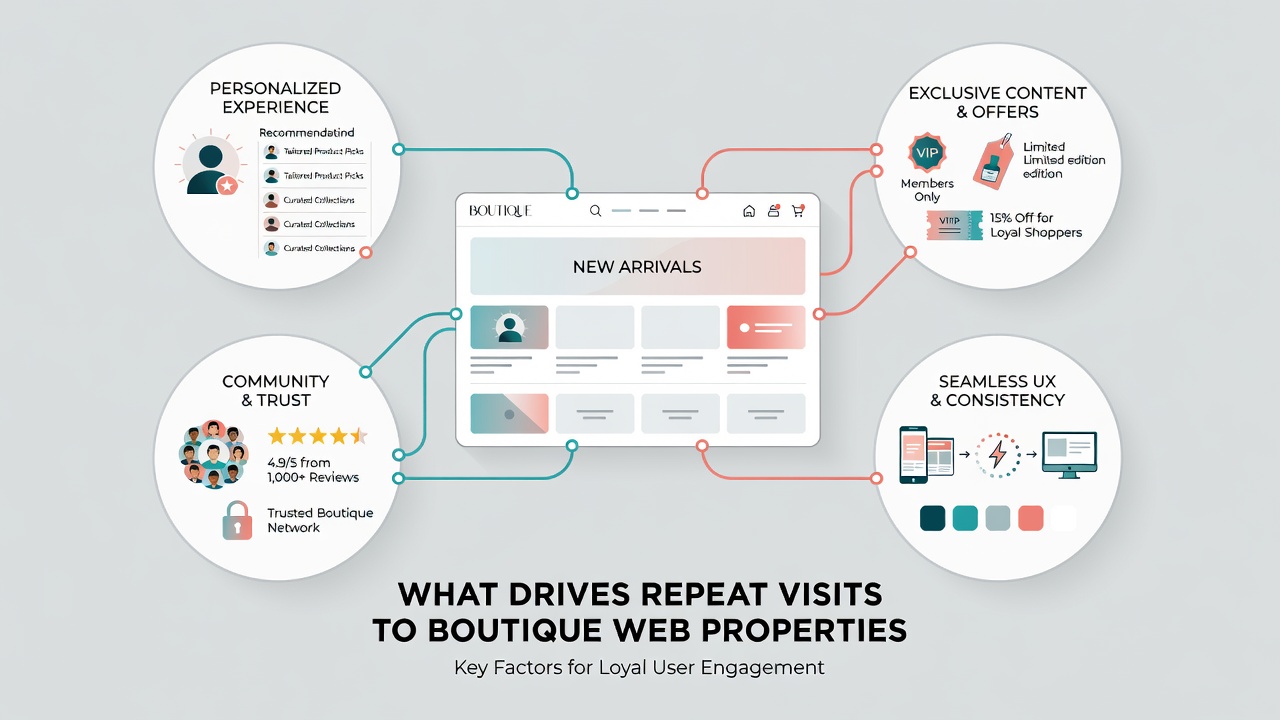
Repeat visits to boutique web properties depend on a combination of content consistency, technical reliability, and engagement tools that encourage users to return without relying on broad platform algorithms, and observers note that these smaller sites often succeed by focusing on narrow audiences who value specialized material over general appeal. Data from multiple studies shows that sites maintaining regular updates see higher return rates because users develop habits around fresh information that matches their specific interests, while those with stagnant sections experience quicker drop-offs in traffic logs.
Content Patterns That Encourage Returns
Research indicates that boutique properties thrive when they publish material on predictable schedules, such as weekly deep dives into niche topics, and this approach builds anticipation among readers who check back for the next installment rather than random browsing. According to figures from the Australian Bureau of Statistics on digital content consumption, users in specialized categories return more frequently to sites that layer new data onto existing archives, creating a growing resource that rewards ongoing exploration, and this pattern appears across independent sites that avoid broad keyword chasing in favor of depth within defined subjects.
Those who track visitor behavior through analytics tools report that articles incorporating user-submitted questions or follow-up clarifications generate secondary visits because readers return to see responses or related expansions, and this cycle turns one-time searches into recurring patterns without external promotion campaigns.
Technical Elements Supporting Habit Formation
Performance metrics collected by industry groups reveal that load times under three seconds correlate with higher repeat session counts on standalone sites, since delays push users toward faster alternatives even when the content matches their needs precisely. Boutique properties that implement structured navigation and internal linking see users progress through multiple pages per visit, which builds familiarity and increases the likelihood of bookmarking or direct returns later, and these mechanics operate independently of larger search engine updates.
Accessibility adjustments, including consistent contrast ratios and keyboard-friendly layouts, expand the user base to include those who revisit regularly because the experience remains reliable across devices, whereas inconsistent formatting leads to frustration and abandonment after initial encounters.
Engagement Features and Their Measured Effects
Studies from academic sources such as the University of Melbourne's digital media research group show that email notification systems tied to new content releases drive measurable increases in return visits, with open rates translating into direct site traffic rather than passive discovery, and this method works particularly well for properties that release material on fixed cadences. Community sections allowing threaded discussions attached to articles keep users engaged between publications, as participants check for replies or contribute updates that extend the original topic lifespan.

In November 2026, updated reports from Statistics Canada on online user habits highlighted that personalization options, such as saved searches or tailored content feeds within boutique interfaces, boosted return frequency by allowing individuals to curate their own pathways through the material, and sites offering these features recorded steadier traffic patterns compared to those with uniform presentation for all visitors.
Retention Data Across Independent Platforms
Industry reports compiled by organizations like the Interactive Advertising Bureau demonstrate that loyalty mechanisms, including simple recognition of returning users through account preferences, increase session depth without requiring complex reward structures, and these approaches prove effective for properties that serve recurring informational needs rather than one-off transactions. Cross-referencing visitor logs with content categories shows that sites providing comprehensive archives alongside new additions retain users longer because the combined value grows over time, creating a self-reinforcing loop where each visit adds context for future ones.
External factors such as integration with calendar reminders for scheduled updates further support repeat behavior, as users schedule their own returns instead of relying on memory or external prompts, and this method appears in properties that publish event-based or seasonal content tied to specific audience cycles.
Conclusion
Repeat visits to boutique web properties stem from deliberate combinations of consistent content delivery, responsive technical foundations, and targeted engagement tools that align with user routines, and data across regions confirms these elements operate through measurable patterns rather than isolated tactics. Properties that track and refine these aspects maintain steadier traffic flows even as broader digital landscapes shift, since the focus remains on direct value delivered to defined audiences over time.