Tina Hansen · 23 October 2026
The Dynamics of Resource Allocation in Niche Web Properties During Expansion Phases
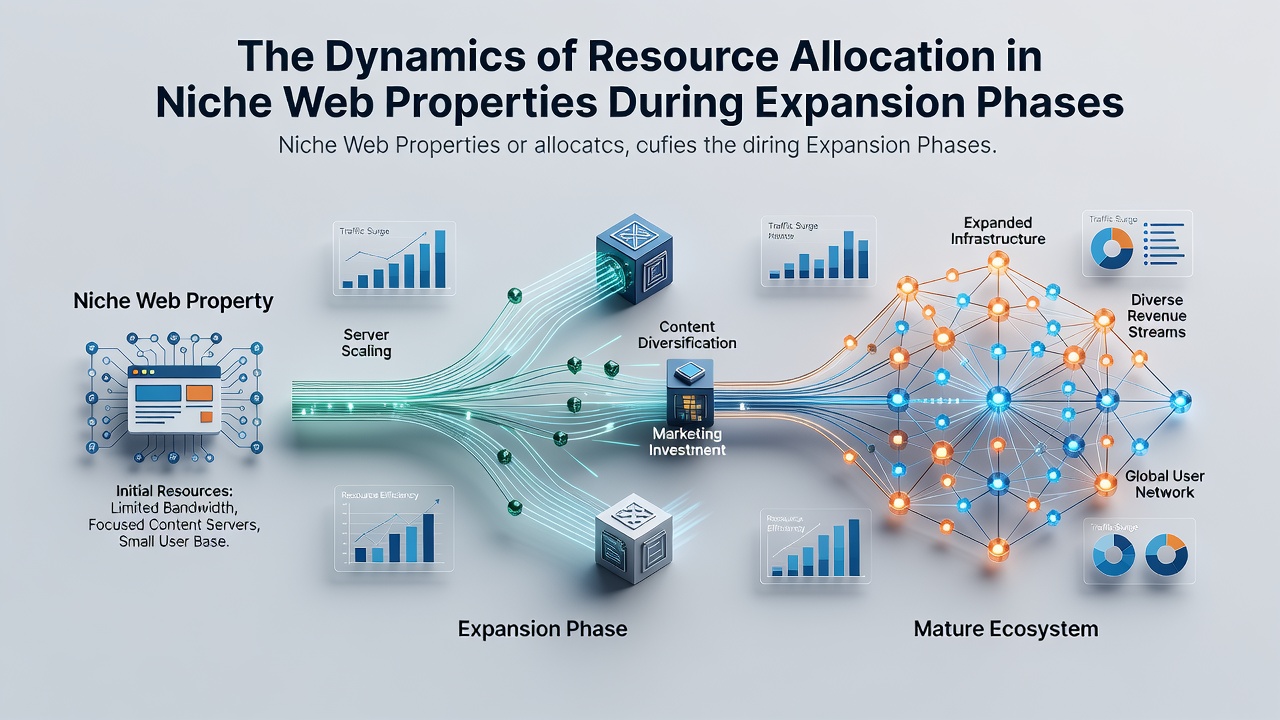
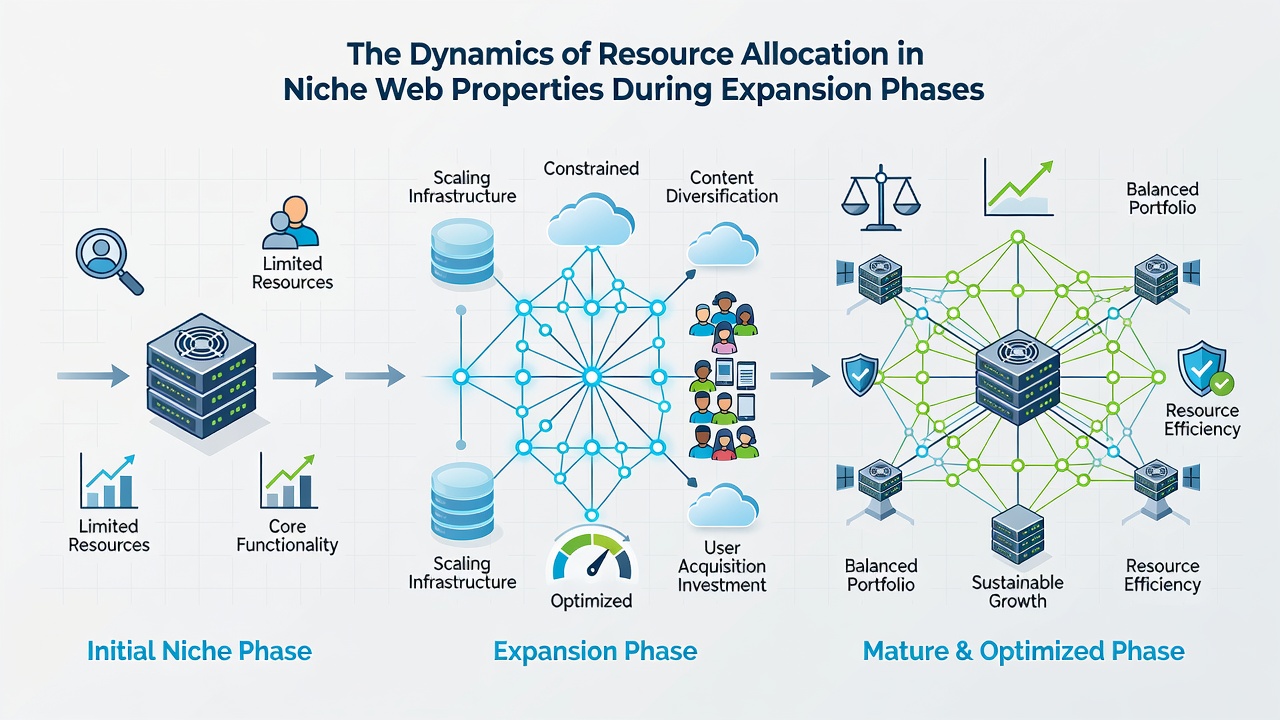
Resource allocation in niche web properties involves distributing limited funds, personnel hours, server capacity, and content development tools as these sites move from initial launch into sustained growth periods, and observers note that patterns emerge when traffic volumes rise and revenue streams begin to stabilize. Data from various industry analyses show that owners typically prioritize investments in infrastructure upgrades during the first expansion wave, since increased visitor loads demand more reliable hosting arrangements and faster content delivery networks. Researchers at multiple academic institutions have tracked how these decisions unfold over multi-year timelines, revealing consistent sequences where technical resources receive attention before marketing campaigns expand.
Phases of Expansion and Shifting Priorities
Early expansion often centers on stabilizing core operations while new audience segments appear, and studies indicate that operators redirect budgets toward backend systems rather than broad outreach efforts at this stage. As monthly active users climb past certain thresholds, allocation shifts toward hiring part-time contributors for content production and community moderation, according to longitudinal reviews of independent digital platforms. What's notable is how these transitions occur without large-scale capital injections in many documented cases, relying instead on reinvested earnings from initial ad placements or subscription tiers. But here's the thing: timing matters because premature spending on peripheral tools can strain cash flow before revenue catches up with costs.
Financial Resource Distribution Patterns
Financial models applied to niche sites demonstrate that roughly 40 to 60 percent of incoming revenue during early growth phases gets earmarked for operational continuity, including domain renewals, security certificates, and basic analytics subscriptions. Figures compiled by government statistical agencies in North America and Europe reveal similar breakdowns across hundreds of small online ventures, with the remainder split between incremental marketing tests and reserve funds for unexpected outages. One study from a Canadian research center found that sites which maintained at least three months of operating reserves encountered fewer disruptions when scaling server resources during traffic spikes.
Human Capital and Technical Assets in Growth Stages
Personnel allocation tends to follow a staggered approach where founders handle multiple roles until specific pain points justify delegation, and evidence from operational case reviews shows this pattern holds across different geographic markets. Technical assets such as custom scripts for inventory management or automated reporting dashboards receive priority once manual processes consume disproportionate amounts of time. Observers have documented how some properties integrate open-source solutions first, then transition to paid platforms once usage metrics justify the switch, thereby preserving liquidity for other needs.
Coordination among distributed contributors becomes critical as teams grow beyond a handful of individuals, and reports from digital economy research groups highlight the value of shared project management platforms in maintaining output consistency. Those who've examined dozens of expansion trajectories note that clear role definitions reduce overlap and prevent duplicated effort, which in turn frees budget for additional tools or external services.
External Benchmarks and Data Sources
Comparative data released by the US Small Business Administration on technology adoption among small enterprises provides context for how niche operators decide between in-house development and third-party services. Similar patterns appear in materials from the OECD digital economy reports, which track resource deployment across member countries and note correlations between phased investment strategies and longer site lifespans. These sources emphasize measurable outcomes such as uptime percentages and load times rather than qualitative assessments.
Conclusion
Overall patterns in resource allocation for niche web properties during expansion reflect a balance between immediate operational demands and preparations for larger audience volumes, with data consistently showing that measured, sequential investments correlate with sustained functionality. Multiple studies across regions confirm that properties which align spending with verifiable growth indicators experience fewer interruptions than those pursuing simultaneous upgrades across all categories. As digital landscapes continue evolving, ongoing analysis of these dynamics remains relevant for understanding how independent sites maintain viability while scaling.