Uma Lang · 11 September 2026
Navigating Crawl Budget Allocation Challenges for Standalone Content Platforms
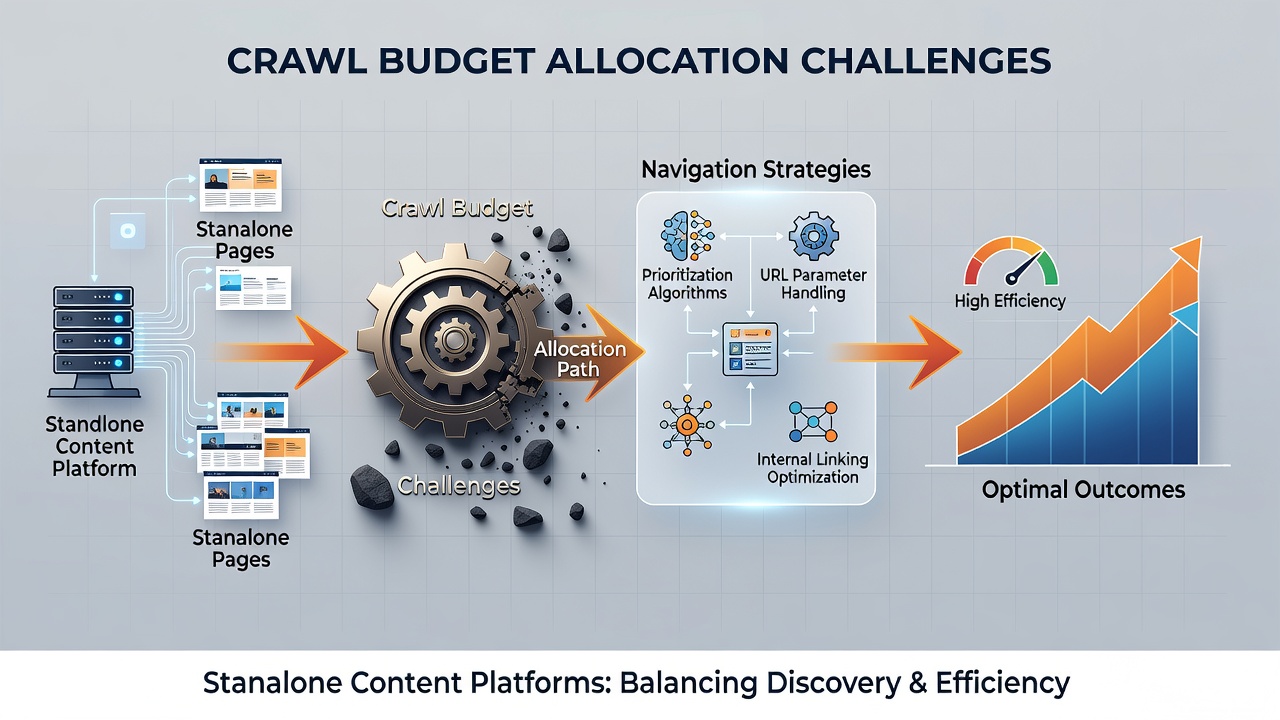
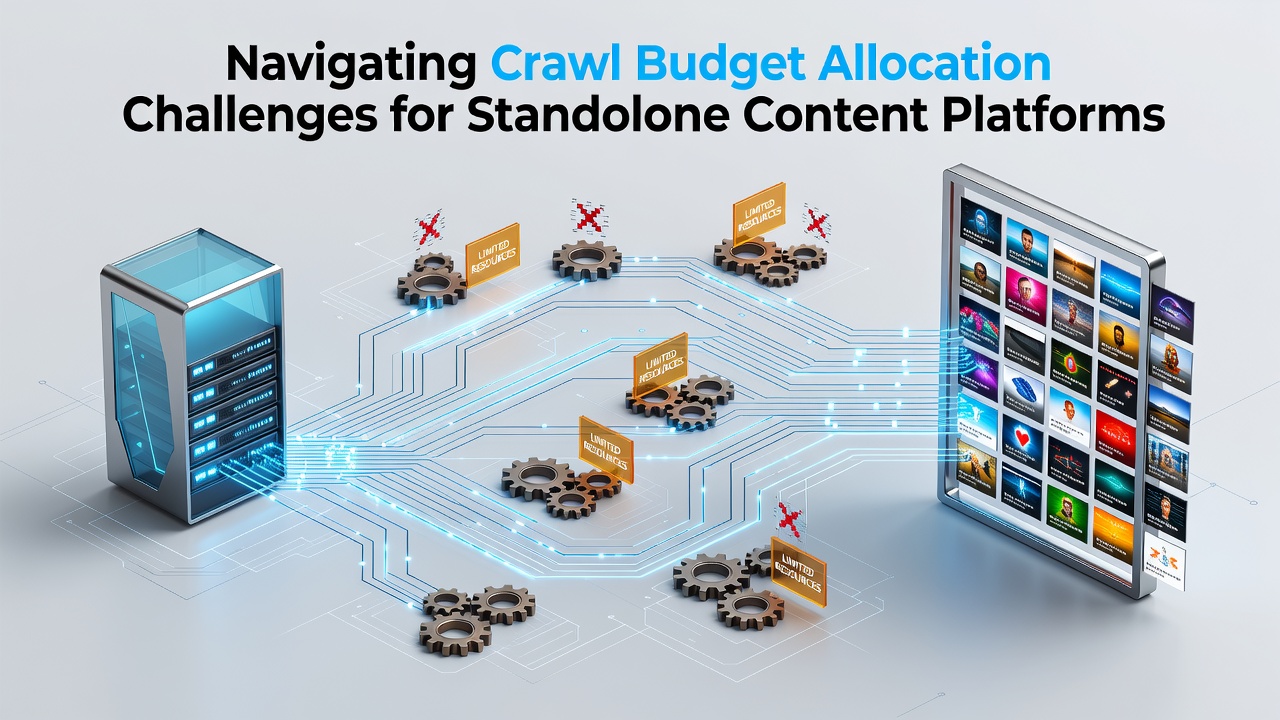
Standalone content platforms often face distinct pressures when search engines determine how many pages to crawl within a given timeframe. Crawl budget refers to the number of URLs that automated bots like Googlebot will request from a site during a crawl cycle, and allocation decisions depend on factors such as server response times, site size, and update frequency. Research indicates that platforms hosting thousands of independent articles or media items must monitor these limits closely because underutilized budgets can leave fresh content undiscovered while over-allocation risks wasted resources on low-value pages. Observers note that standalone platforms differ from large marketplaces in several ways. These sites typically operate without the aggregated signals that come from user-generated storefronts, which means each content piece competes individually for attention during indexing. Data from Google Search Console reports show that sites exceeding 10,000 pages frequently encounter situations where crawl rates plateau unless server performance improves or internal linking patterns change.Core Factors Affecting Crawl Budget Decisions
Server response speed plays a central role in how bots distribute their requests. When pages load slowly, crawlers reduce the volume of subsequent visits to avoid overloading the host. Studies from academic sources on web infrastructure reveal that average response times above 500 milliseconds correlate with lower crawl frequencies across independent domains. Duplicate content and thin pages further complicate allocation. Search engines evaluate uniqueness through signals like canonical tags and structured data, and platforms that fail to consolidate similar material often see budgets spent on redundant URLs. Those who manage large archives report that implementing proper parameter handling in URLs prevents bots from treating query strings as separate destinations. Internal linking structures guide crawlers toward priority content. Deep hierarchies with poor navigation can trap budget on older sections while newer material remains isolated. Evidence suggests that platforms which audit link equity distribution monthly maintain steadier crawl patterns throughout the year.Monitoring Tools and Data Sources
Webmasters rely on a combination of server logs and official dashboards to track actual crawl behavior. Log files reveal exact request patterns from different user agents, allowing teams to identify spikes during algorithm refreshes. Google Search Console provides aggregated metrics on crawl stats, including errors and total requests per day, which helps surface issues before they compound. External data adds context to internal observations. According to documentation available through Google Search Central, crawl budget scales with perceived site quality and popularity, while a separate analysis from the Internet Society highlights how protocol-level improvements like HTTP/2 adoption influence bot efficiency across regions.